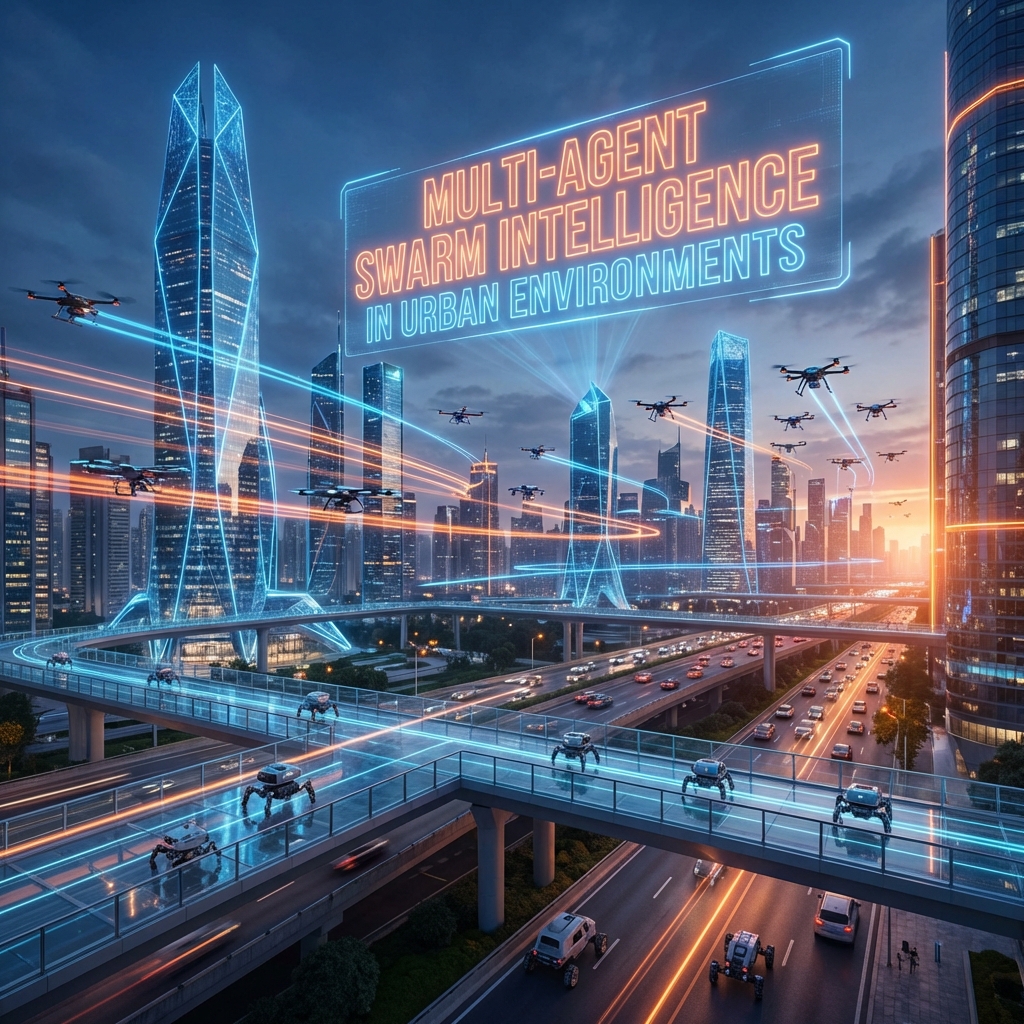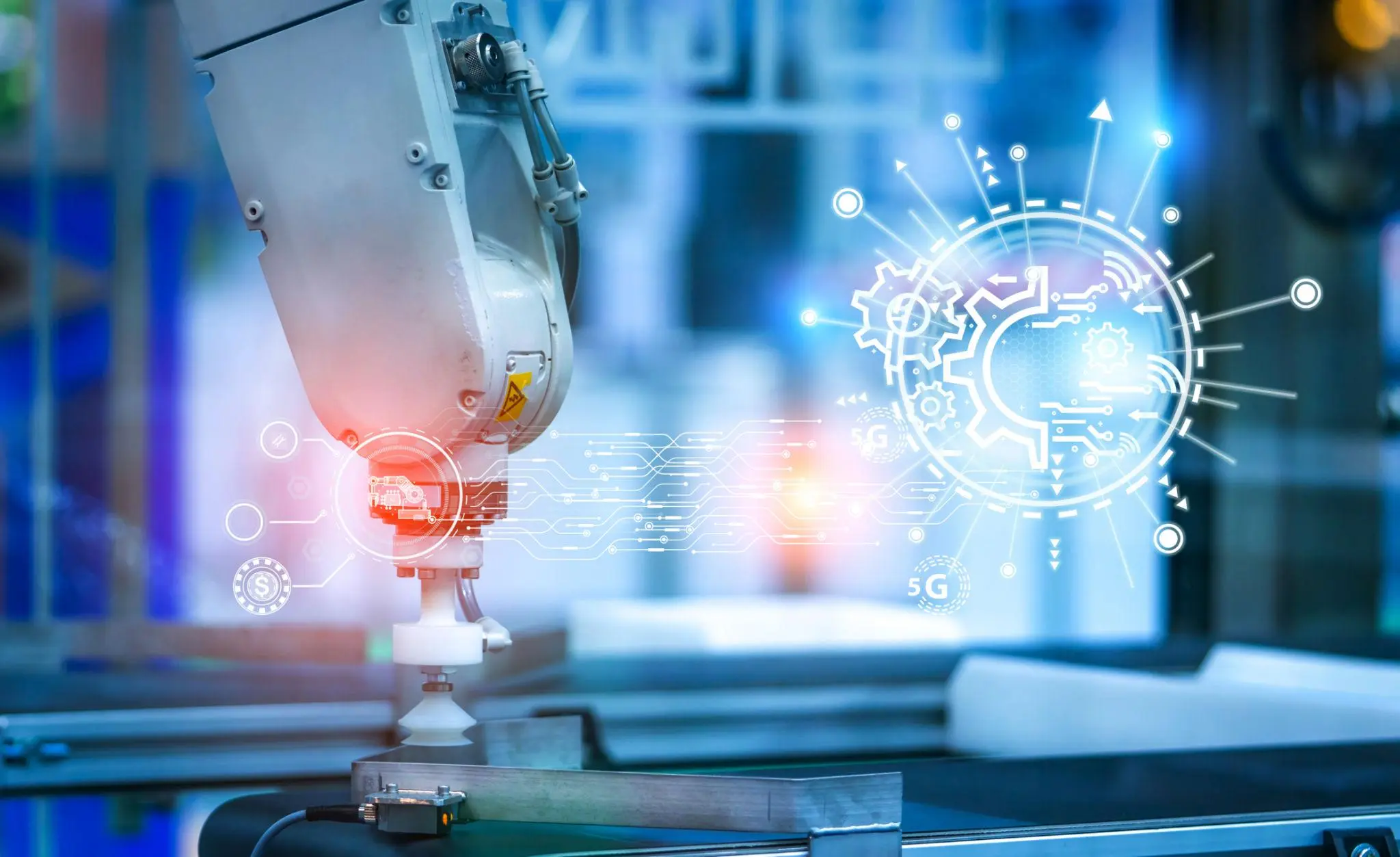
🚀 Physical AI Startups Are Booming: The Future of Robotics and Real-World Intelligence
🚀 Introduction
The artificial intelligence industry is entering a new phase known as “Physical AI,” where intelligent systems are moving beyond digital platforms into the real world. From robotics to automation, startups are now building AI systems that interact with physical environments.
According to recent reports, Indian physical AI startups raised approximately $130 million in 2025, showing a steady increase from previous years. This growth highlights strong investor confidence in the future of robotics and real-world AI applications.
📌 Key Highlights
- Physical AI startups raised $130 million in 2025
- Growth from $91M (2023) to $124M (2024)
- Strong investor interest in robotics and automation
- Shift from software AI to real-world AI systems
- India emerging as a key player in deeptech innovation
🤖 What is Physical AI?
Physical AI refers to artificial intelligence systems that operate in the real world. Unlike traditional AI that works in software applications, physical AI combines AI with robotics and hardware systems.
These systems can perform tasks such as:
- Moving objects
- Navigating environments
- Interacting with humans
- Making real-time decisions
🏭 Real-World Applications
Physical AI is already being used across multiple industries:
- Warehouse automation
- Manufacturing robots
- Healthcare robotics
- Autonomous vehicles
These applications demonstrate how AI is moving from digital tools to physical systems.
💰 Investment Growth
The investment trend shows a clear rise in funding for physical AI startups. In 2023, startups raised $91 million, which increased to $124 million in 2024 and reached $130 million in 2025.
This steady growth indicates that investors are increasingly interested in deeptech innovations.
🌍 Why Investors Are Interested
Investors see physical AI as the next big opportunity in technology. Unlike software-based AI, physical AI has the potential to transform industries at a fundamental level.
- Higher impact on real-world problems
- Long-term scalability
- Strong demand in multiple industries
- Competitive advantage in global markets
⚙️ Challenges in Physical AI
Despite its potential, physical AI faces several challenges:
- High development costs
- Complex hardware integration
- Safety and reliability issues
- Need for advanced infrastructure
Startups must overcome these challenges to succeed in this field.
📊 Future of Physical AI
The future of physical AI looks promising, with rapid advancements in robotics, sensors, and machine learning. Experts believe that physical AI will play a crucial role in shaping the next generation of technology.
In the coming years, we can expect:
- More autonomous robots
- Smarter industrial systems
- AI-powered infrastructure
- Global expansion of AI startups
💡 Expert Insights
Industry experts believe that physical AI represents the next phase of the AI revolution. As technology evolves, the focus will shift from digital intelligence to real-world applications.
This transition will create new opportunities for startups and investors alike.
🔗 Conclusion
Physical AI startups are redefining the future of technology by bringing artificial intelligence into the real world. With increasing investment and innovation, this sector is set to become a major driver of global technological growth.
As India continues to invest in deeptech, it is well-positioned to become a global leader in physical AI and robotics.