Introduction: What is GrazeMate?
Technology is slowly transforming even the most traditional industries, and cattle ranching is no exception. One of the newest innovations in this space is GrazeMate, an autonomous cattle mustering and monitoring system that uses AI-powered drones and robotics to help ranchers manage livestock across large properties.
GrazeMate is often called a “robot cowboy” because it performs tasks traditionally handled by human cowboys — locating, guiding, and monitoring cattle. Instead of a horse and rope, it uses drones, sensors, GPS, and artificial intelligence.
In modern livestock management, where ranch sizes are growing and skilled labor is harder to find, tools like GrazeMate are becoming increasingly relevant. It represents a blend of traditional ranch knowledge and modern technology.
Problem: Challenges in Traditional Cattle Mustering
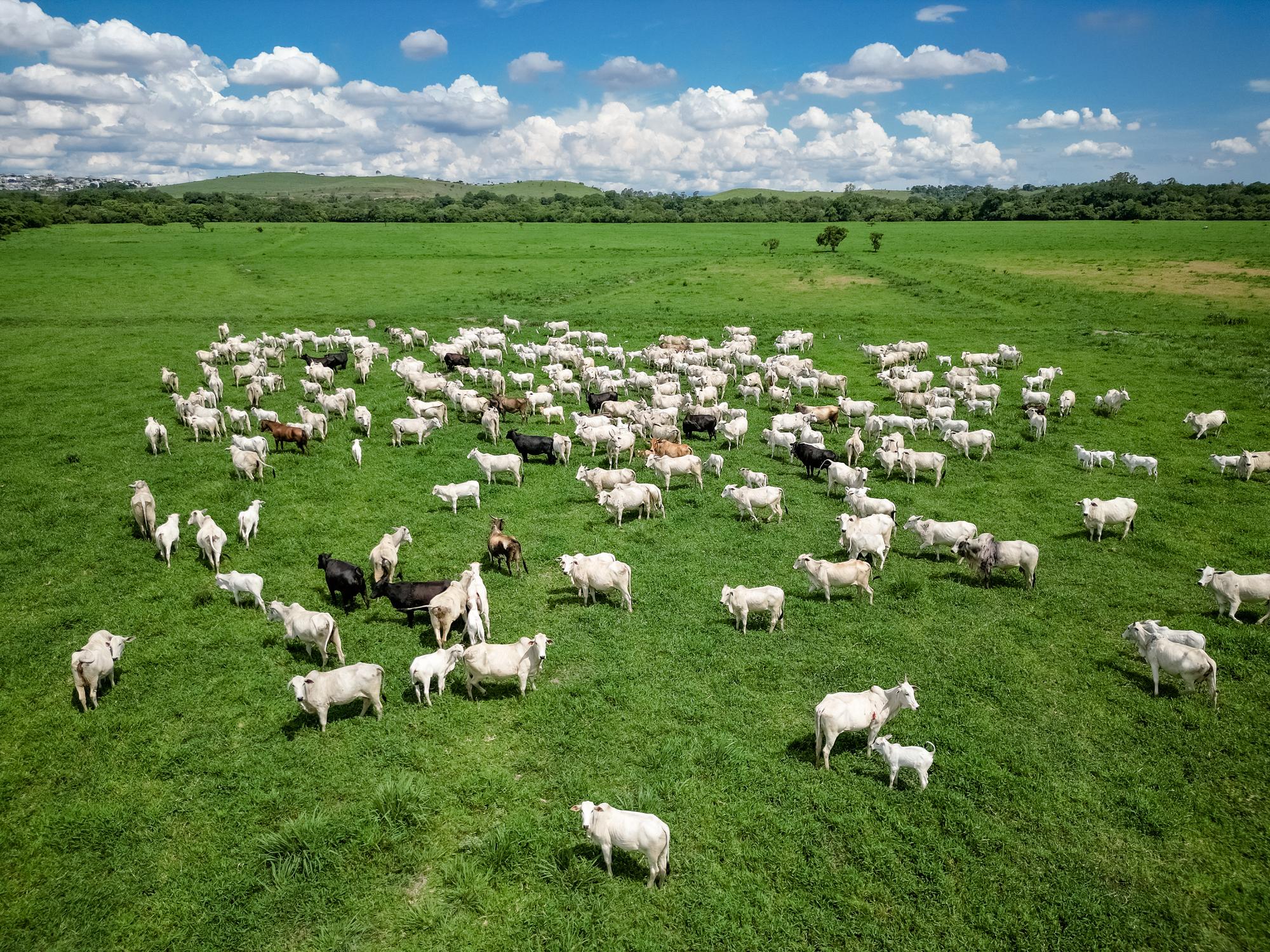
Cattle mustering is the process of gathering and moving cattle from one area to another. Traditionally, this is done using horses, motorbikes, helicopters, and trained staff.
While these methods work, they come with several challenges:
- Time-consuming operations
- High labor and fuel costs
- Safety risks for workers
- Stress on animals
- Shortage of skilled workers
For example, a rancher may spend an entire day locating cattle scattered across thousands of acres. In rough terrain, riders risk falls, and motorbike accidents are not uncommon. Helicopters are effective but extremely expensive.
Animals can also become stressed if chased aggressively. Stress affects cattle health, weight gain, and productivity.
Technology Behind the Robot Cowboy
Drones
GrazeMate uses rugged agricultural drones designed for long flights and outdoor conditions. These drones carry high-resolution cameras, GPS, and sometimes thermal sensors.
Artificial Intelligence
The AI system can detect cattle, track herd movement, and understand group behavior. It distinguishes cattle from wildlife and objects on the ground.
Think of the AI as a digital shepherd in the sky. It observes how cattle respond and adjusts its distance and position to guide them calmly.
Behavior-Based Control
Cattle respond to pressure and distance. Skilled handlers know how to move animals without causing panic. GrazeMate encodes these principles into algorithms.
Learning Over Time
With repeated use, the system learns ranch layouts, grazing zones, and herd patterns. This allows it to become more efficient on each property.
User App
Ranchers control the system through a simple mobile or desktop app. They can view maps, herd locations, and mission progress.
How GrazeMate Works Step by Step
- Rancher opens the app
- Selects herd location and destination paddock
- Starts the mission
- Drones take off and locate cattle
- AI guides the herd toward the target area
During the mission, drones maintain calm pressure behind the herd. If animals split away, a drone redirects them. The system avoids pushing cattle too hard.
Ranchers receive live updates and alerts. After completion, reports show distance moved, duration, and behavior insights.
Beyond Mustering: Monitoring and Analytics
GrazeMate is also a monitoring tool.
- Health Monitoring: Spot isolated or weak animals
- Water Checks: Inspect troughs remotely
- Fence Inspection: Detect damage early
- Pasture Analysis: Support grazing decisions
This data helps ranchers plan rotations, avoid overgrazing, and improve land use.
Benefits for Ranchers and Industry
- Time Savings: Hours of work reduced
- Cost Savings: Less fuel and helicopter use
- Safety: Fewer accidents
- Animal Welfare: Lower stress
- Scalability: Manage large herds with small teams
Real-World Example
Consider a large ranch managing 5,000+ cattle across mixed terrain. After several months of using GrazeMate, mustering time dropped by nearly 40%. Staff reported fewer injuries and less fatigue. Pasture use improved due to better rotation planning.
Some versions of the story suggest the founders grew up on cattle stations and built the system based on real ranch problems.
Challenges and Limitations
- Weather can affect flights
- Battery life limits mission length
- Connectivity issues in remote areas
- Upfront hardware costs
- Training required
There are also social concerns about automation replacing jobs. However, new roles in data analysis, drone maintenance, and system management are emerging.
Future of Robot Cowboys
Future systems may integrate with smart collars, ground robots, or robotic dogs. Advanced analytics could predict health issues or grazing patterns.
Over the next decade, smart ranching may reshape how land and livestock are managed. It also opens opportunities for young people interested in robotics and agriculture.
Conclusion
GrazeMate represents the next step in combining traditional ranch knowledge with modern AI and robotics. The goal is not to replace the human cowboy but to give ranchers safer and smarter tools.
As agriculture faces labor shortages and rising costs, technologies like GrazeMate may become an important part of sustainable livestock management.